
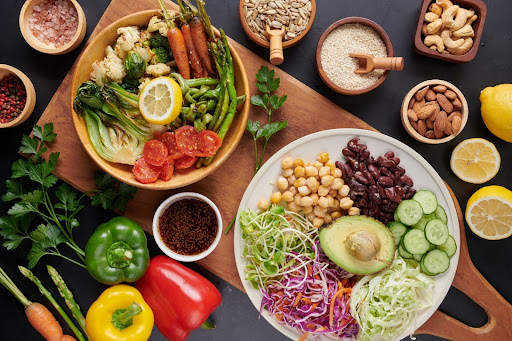
Many people believe that sticking to a set of “healthy foods” is enough to maintain good health. However, eating the same foods repeatedly, even nutritious ones, may not provide everything your body needs to thrive. Within a personalised health and wellness coaching framework, dietary variety is often where lasting improvements in energy and digestion begin.
Dietary diversity refers to the practice of consuming a wide variety of foods across and within different food groups. It is not simply about eating in large quantities, but about ensuring your body receives a broad spectrum of nutrients from varied sources.
A diverse diet supports nutritional variety and balance, providing the vitamins, minerals, fibre, and phytonutrients that different foods uniquely offer. Without this range, even a seemingly healthy diet may leave certain nutritional needs unmet over time.
Relying on the same foods, regardless of how nutritious they are, can create nutrient gaps that gradually affect your overall wellbeing. For instance, eating spinach daily may provide iron and folate, yet leave you short on nutrients found predominantly in other vegetables, legumes, or whole grains.
A limited diet can also disrupt the gut microbiome, as different strains of beneficial gut bacteria thrive on different types of dietary fibre and plant compounds. Over time, reduced microbial diversity in the gut has been associated with digestive discomfort, inflammation, and a weakened immune response.
Repeated exposure to the same foods may additionally increase the likelihood of developing food sensitivities. Introducing greater variety helps reduce this risk and supports a more balanced immune response to the foods you regularly consume.
The gut microbiota, the trillions of microorganisms residing in your digestive system, play a central role in digestion, nutrient absorption, immune function, and even mood regulation. A diverse diet feeds a wider range of microbial species, which collectively support a more resilient gut environment.
Varied nutrients from functional foods, such as fermented foods, prebiotic-rich vegetables, and whole plant sources, work together to nourish both the gut lining and the beneficial bacteria within it. This interplay between food diversity and the gut microbiome forms one of the strongest foundations for long-term health and immunity.
Persistent digestive discomfort, including bloating, irregular bowel movements, or a sense of heaviness after meals, can be early indicators that your gut is not receiving the nutritional variety it needs. These symptoms are worth paying attention to, rather than normalising as part of everyday life.
Low energy levels despite adequate sleep and hydration may also suggest that your body is not receiving the full range of micronutrients it requires. Similarly, the gradual development of food intolerances or increased sensitivity to certain ingredients may point to an overly repetitive dietary pattern that needs to be addressed.
One of the most straightforward approaches is to rotate your ingredients on a weekly basis. Swapping your usual grain, vegetable, or protein source for a different option each week gradually broadens your nutritional intake without requiring a complete overhaul of your eating habits.
Exploring different cuisines is another effective and enjoyable strategy, as each culinary tradition draws on its own range of ingredients, herbs, and cooking methods. Seasonal eating also encourages natural variety, as it aligns your diet with what is freshest and most nutrient-dense at any given time of year.
Nutrition does not exist in isolation. It is one part of a broader lifestyle approach that includes sleep quality, stress management, physical activity, and emotional wellbeing, all of which influence how effectively your body absorbs and utilises the nutrients you consume.
At GI Innovation, functional foods and nutraceuticals are considered within this integrated context, complementing lifestyle guidance and traditional wellness practices rather than serving as standalone solutions. Personalised nutrition strategies that account for your individual constitution, health history, and daily habits are far more effective than generalised dietary advice.

A qualified health coach can help identify nutritional imbalances that may not be immediately obvious, particularly when a person believes they are already eating well. By reviewing dietary patterns, lifestyle factors, and health observations together, a clearer picture of what may be missing or over-represented in the diet can emerge.
Health coaching at GI Innovation focuses on sustainable dietary adjustments rather than restrictive programmes or short-term interventions. Gradual, consistent changes guided by professional support are more likely to become lasting habits that genuinely support long-term wellbeing.
Functional foods offer tremendous value, but their benefits are best realised when they are part of a genuinely diverse and balanced diet. Eating a wider range of whole foods, rotating your choices regularly, and seeking personalised guidance can make a meaningful difference to how you feel day to day.
If you are looking to understand your nutritional patterns more clearly and make informed adjustments, GI Innovation’s integrated approach to health coaching and functional nutrition is here to support you. Get in touch with our team to begin your wellness journey.
A diverse diet includes a wide variety of foods from different food groups, such as vegetables, fruits, whole grains, legumes, proteins, and healthy fats, with regular rotation to ensure a broad range of nutrients. Aiming for foods of different colours, textures, and origins is a practical way to assess and improve your dietary diversity.
While eating nutritious foods is beneficial, consuming the same ones repeatedly can lead to nutrient gaps, microbiome imbalances, and an increased risk of food sensitivities over time. Variety ensures that your body receives the full spectrum of nutrients it needs for optimal function.
Different plant-based foods, including functional foods rich in prebiotic fibre and fermented ingredients, feed different strains of beneficial gut bacteria. A more diverse diet supports a richer and more resilient gut microbiome, which in turn strengthens digestion, immunity, and overall wellbeing.
Research suggests that consuming 30 or more different plant-based foods per week supports a healthier gut microbiome. This includes vegetables, fruits, whole grains, legumes, nuts, seeds, and herbs, all of which contribute to microbial diversity and nutritional balance.
Start by making small, consistent swaps rather than overhauling your entire diet at once. Rotating one ingredient per week, trying a new vegetable, or incorporating a fermented functional food are manageable starting points. Working with a health coach can also provide personalised guidance that makes the process more structured and sustainable.