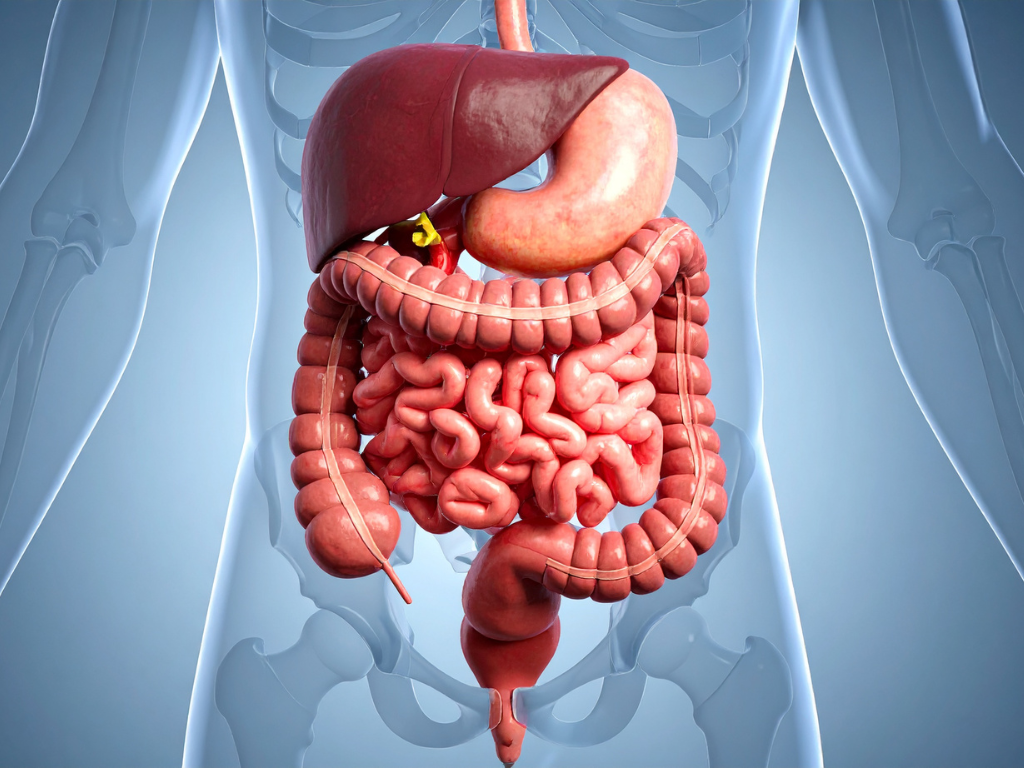
Most adults assume gut health is fine until something dramatic happens. The reality is messier. A useful gut health test in the early stages is not a single lab panel, it is a structured read of patterns most people have already been ignoring for months. This blog will walk you through the signs worth paying attention to, a self-assessment you can do at home, and howour health coaching approach at GI Life Sciences pieces these signals together.
Why Gut Health Goes Unnoticed for So Long
The gut talks in a quiet voice. Unlike acute pain or a high fever, dysbiosis (an imbalance in the gut microbial community) usually shows up as a slow drift across multiple systems. You sleep slightly worse, your skin breaks out more often, your energy crashes in the afternoon, your stools change in ways you do not pay attention to, and your moods get harder to regulate. Each individual signal feels too small to flag at a routine health screening. Together, they describe a gut ecosystem under stress.A 2025 review in Microorganisms documented how disruption of the gut microbial community compromises epithelial barrier integrity, triggers aberrant immune activation, and produces proinflammatory metabolites that drive systemic conditions including IBD, psoriasis, asthma, and rheumatoid arthritis. The mechanism explains why gut health problems present anywhere in the body except the gut itself.In Singapore the picture is shaped by specific factors. Diet weighted toward refined carbohydrates, dining-out frequency that makes ingredient quality hard to track, common antibiotic exposure from frequent respiratory infections, chronic work stress, and limited daily fibre intake from fresh produce. These compound over years. By the time someone notices, the gut is already several steps into the trajectory.
Signs Your Gut Health Needs Attention
We organise the warning signs by where they show up in the body, because most clients arrive describing only one or two and miss the broader pattern.
Digestive signals
Daily or near-daily bloating, particularly after meals that used to be tolerable, points to something off. So does irregular bowel timing (anything outside one to two soft, formed stools per day on most days), stools that are loose, sticky, pale, or hard, audible gut noise that has noticeably increased, and persistent burping or reflux. The Bristol Stool Chart remains a practical reference, and stools that consistently fall outside types 3 to 4 over weeks deserve attention.Food intolerances that were not there a year ago count too. The gut microbiome influences how well you tolerate dairy, gluten, FODMAPs, and histamine-containing foods. New intolerances often signal that something has shifted at the microbial or barrier level.
Skin signals
The gut-skin axis is well established. Recurrent acne in adulthood, persistent eczema flares, unexplained rashes, rosacea, and dull or congested skin all correlate with gut dysbiosis in clinical research. We covered the broader pattern recognition in our piece onwhy daily wellness signals often matter more than annual screenings.
Energy, sleep, and cognitive signals
The gut produces or modulates several neurotransmitters and metabolites that influence sleep and cognition. Persistent afternoon energy crashes, sleep that feels light or unrefreshing despite enough hours, brain fog that worsens after meals, and mood patterns that swing with digestive cycles are all consistent with gut-brain axis disruption. The mechanism runs through vagal nerve signalling, short-chain fatty acid production, and inflammatory cytokine output from the gut.
Immune signals
If you catch every cold that passes through the office, take longer to recover from minor infections, or notice wounds healing slowly, the gut deserves a closer look. Around 70 percent of the body’s immune cells live in the gut-associated lymphoid tissue, and dysbiosis directly compromises immune surveillance and tolerance.
Inflammation and metabolic signals
Unexplained joint stiffness in the morning, persistent low-grade fatigue, slow weight gain around the waist despite no major lifestyle change, and elevated fasting glucose all sit downstream of gut barrier dysfunction. A 2024 review in MedComm covering gut microbiota in health and disease confirmed that imbalances in gut microbiota composition contribute to the onset and progression of metabolic disorders, neurodegenerative conditions, and chronic inflammatory states through dysregulated immune responses.
A Practical Self-Assessment You Can Do This Week
Rather than a vague checklist, this is a structured exercise we use with clients before their first consultation. It takes seven days and produces a real signal, not a guess.
Track these markers daily
Spend two minutes at the end of each day writing down five things. Stool form using the Bristol Stool Chart number, bloating level on a 0 to 10 scale, energy at 10 a.m., 2 p.m., and 8 p.m. on a 0 to 10 scale, sleep quality the previous night on a 0 to 10 scale, and any digestive discomfort with timing relative to meals.At the end of seven days, count: how many days the Bristol score sat at 3 or 4, how many days bloating averaged above 4, how many days the 2 p.m. energy dropped below 5, and how many days sleep quality scored below 6. If three or more of these run negative for four or more days out of seven, the gut is asking for attention.
Pattern questions worth answering honestly
A few additional questions sharpen the picture. How many servings of fresh vegetables and fruits do you actually eat in a day, counting accurately rather than aspirationally? How often do you have fermented foods in your weekly diet (kimchi, sauerkraut, tempeh, live-culture yoghurt, miso, kefir)? How often do you take antibiotics in a year? How much processed or ultra-processed food makes up your typical week? Honest answers to these usually predict gut state better than any single symptom.
When to escalate
If you have unexplained weight loss, blood in stool, persistent severe abdominal pain, persistent vomiting, or family history of inflammatory bowel disease, colorectal cancer, or coeliac disease, see a gastroenterologist first. A general practitioner referral and proper biomedical workup precede any wellness intervention in those situations. Self-assessment is for chronic, low-grade patterns, not red flags.
What Comes After the Self-Assessment
If your seven-day tracker flags a real pattern, the next step is a structured assessment that goes deeper than symptoms.
What testing actually reveals
A proper gut health test in 2026 is not one thing. Useful options include a comprehensive stool analysis (looks at microbial composition, short-chain fatty acid production, inflammatory markers like calprotectin, digestive enzyme function, and pathogenic presence), an organic acids urine test (catches microbial metabolic byproducts), and standard biomarker panels including hs-CRP, fasting glucose, HbA1c, and ferritin. Each tells you something different. Stool tests are most useful when symptoms are clearly digestive. Urine and blood are better for systemic patterns.A note on the at-home microbiome kits sold online. They produce a list of bacteria you have, but the clinical translation of that list into specific actions varies widely between providers. Useful for context, less useful as a sole basis for treatment.
How an integrated assessment works at GI Life Sciences
Our approach combines three layers. A licensed TCM consultation reads the functional pattern through tongue, pulse, and detailed history (spleen-stomach qi deficiency, damp-heat, and liver qi stagnation are the most common patterns we see behind chronic digestive complaints). The ESG metabolic energy assessment, our proprietary non-invasive measurement introduced in 2008, maps which body systems are running below or above functional range. Lab work is recommended where the pattern needs biomedical confirmation .This three-layer read produces a treatment plan that addresses both the immediate symptoms and the underlying drivers. Clients usually come in for a one-hour assessment that delivers a written plan covering nutrition, supplementation where appropriate, and any TCM intervention recommended.
Where functional nutrition fits
Rebuilding gut health is more about removing what is keeping the system dysregulated than adding more supplements. The core moves: reduce refined carbohydrates and ultra-processed foods, add 30 grams of fibre daily across diverse plant sources (the 30-plants-per-week target from the American Gut Project remains the strongest evidence-based marker for microbial diversity), include fermented foods three to five times weekly, and address sleep and stress because both directly impact gut barrier integrity. Our piece on eating across food groups for microbial diversity covers the practical patterns.Functional nutrition advisory at our clinic adds targeted support where the diet alone is not enough. Our Biogenics MD Gold Edition is a 7-year fermented probiotic developed specifically for adults who need microbial diversity beyond what diet can quickly restore. We use it inside specific protocols, not as a default starter. For broader context on how gut-driven inflammation connects to systemic conditions, our cornerstone piece on stomach inflammation and gut health covers the bigger picture.
Conclusion
Most adults wait too long to address gut health because each individual symptom looks too small to act on. The pattern across symptoms is what matters, and a structured seven-day tracker reveals it faster than any single test. Once the pattern is visible, the next decision is whether you need lab testing, a functional read, or both, and what kind of support actually reverses the trajectory rather than masking it.If your self-assessment flagged something worth investigating,book an integrated assessment with our practitioner. One session produces a clear picture of where your gut sits today and what the next steps should be. The earlier the read, the simpler the protocol.
Frequently Asked Questions
What is the easiest first step to check my gut health at home?
A seven-day tracking exercise using the Bristol Stool Chart for stool form, plus daily 0-10 scores for bloating, energy at three time points, and sleep quality. If three or more markers run negative for four or more days, the gut needs structured attention. This is the same baseline we use before a first consultation at GI Life Sciences.
How is a gut health test different from a regular health screening?
Regular health screening checks for disease (blood glucose, lipids, organ function). A gut health test examines microbial composition, short-chain fatty acid production, inflammatory markers like calprotectin, and digestive function. It catches dysbiosis years before it shows up on a standard panel. Useful tests include comprehensive stool analysis and organic acids urine testing.
Can I improve gut health without testing first?
Yes, in many low-grade cases. Adding 30 plant varieties per week, three to five servings of fermented foods, sleeping seven to nine hours, and reducing ultra-processed foods produces measurable improvements in microbiome diversity within eight to twelve weeks. If symptoms persist after three months of consistent change, structured testing or a functional nutrition consultation becomes worth the investment.
When should I see a doctor instead of trying self-assessment?
See a gastroenterologist first if you have unexplained weight loss, blood in stool, persistent severe abdominal pain, ongoing vomiting, or family history of inflammatory bowel disease, colorectal cancer, or coeliac disease. Self-assessment is appropriate for chronic low-grade patterns, not for red-flag symptoms that require biomedical workup.
What role does TCM play in gut health assessment?
Licensed TCM consultation reads digestive function through tongue inspection, pulse reading, and detailed history. Common patterns include spleen-stomach qi deficiency, damp-heat, and liver qi stagnation affecting digestion. The TCM read often surfaces functional imbalances months or years before they appear in standard stool or blood tests.