
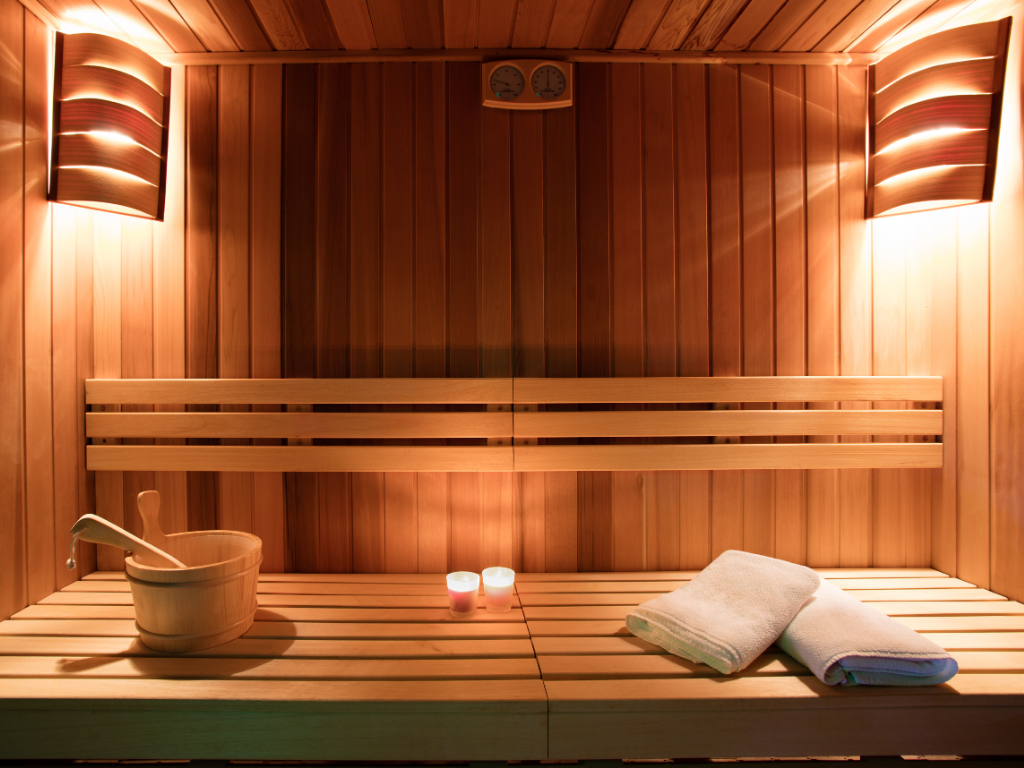
Most people overthink the heat and underthink the rhythm. How often should you use an infrared sauna matters more for lasting results than how hot or how long any single session runs. The largest Finnish sauna cohort tracked 2,315 people and found benefits rose with weekly frequency. This blog walks you through how to set a sustainable cadence, drawing on the Life Energy Sauna sessions we run at our Ubi Road centre.
For general wellness, two to three infrared sauna sessions a week is the practical baseline, with some people going up to daily once their body has adapted. The right number depends on your goal, your recovery capacity, and your hydration, not on a one-size-fits-all rule.
Regularity beats intensity here. A single long, hot session does less for you than a steady weekly rhythm your body adapts to. We have watched this pattern across clients: the person who books two calm sessions every week sees more durable change than the person who does one marathon session and disappears for a month. A Life Energy Sauna session runs 12 to 18 minutes in-chamber plus a 20 to 30 minute rest phase, which makes two or three a week realistic to sustain. Consistency is the variable that compounds.
Two to three times a week delivers solid results for most people, and the evidence suggests benefits keep climbing with more frequent use. The cleanest dose-response data comes from Finnish sauna research, where outcomes improved step by step with each added weekly session.
A 2018 BMC Medicine cohort of 1,688 men and women found cardiovascular mortality risk decreased linearly with increasing sauna sessions per week, with no threshold effect. Compared with one session a week, the adjusted risk dropped to roughly 0.71 at two to three sessions and 0.30 at four to seven. Worth noting: that data comes from traditional Finnish saunas running at 79 to 90 degrees Celsius, not far-infrared. Far-infrared is gentler and cooler, so we borrow the principle that frequency matters rather than the exact numbers. For most people seeking the broader benefits of regular far-infrared sessions, a weekly schedule of two to four sessions is the sweet spot.
Yes, daily use is safe for most healthy, well-hydrated adults, because far-infrared runs cooler than a traditional sauna and places less strain on the body. Athletes and people managing chronic stiffness often go five to seven times a week without trouble. A Life Energy Sauna session at 12 to 18 minutes is short enough that daily use stays sustainable for those who tolerate it, as long as rest and water keep pace.
The limiting factor is rarely the heat. It is hydration and recovery capacity. Daily sessions demand that you replace fluids properly and watch for signs of overdoing it, such as lingering fatigue or poor sleep. If you are new to infrared, start at two or three sessions a week and build up over a few weeks rather than jumping straight to daily. The body adapts to heat exposure the same way it adapts to training, through a gradual, repeated stimulus.
Up to a point, yes, then the curve flattens. The Finnish dose-response data shows benefits rising with frequency, but that does not mean stacking sessions endlessly pays off. More is better only until recovery and hydration cannot keep pace.
The cleaner way to think about it is sufficiency, not maximisation. For longevity and cardiovascular conditioning, higher frequency within your tolerance has support. For recovery and stress, two or three well-spaced sessions a week already capture most of the benefit. Pushing past what your body can absorb adds dehydration risk without proportional gain. The point of diminishing returns is individual, set by how fast you recover between sessions, not by a universal cap. We tell clients that the best frequency is the highest one they can sustain comfortably and hydrate for, which is usually lower than the number they first guess.
The 20 to 30 minute rest phase after each session is part of the dose, and it shapes how often you can productively train the response. The parasympathetic shift during that cooldown, when heart rate settles and the body moves into recovery, is where much of the benefit consolidates. Skip it, and you blunt the result.
Back-to-back sessions in a single day rarely make sense, because the parasympathetic load needs time to register before the next stimulus. Spacing sessions across the week, rather than clustering them, is what lets the nervous system adapt. This is also why consistency over intensity is the rule we keep coming back to. A 12 to 18 minute session followed by proper rest, repeated two or three times a week, outperforms a frantic schedule every time.
We do not sell a fixed package of sessions, and we do not assign everyone the same weekly number. Cadence depends on your starting health, your goal, and how your body responds, which is why frequency at GI Life Sciences is set after assessment rather than off a template.
The ESG metabolic energy assessment, a non-invasive measurement Tay Swee How introduced in 2008, maps which body systems are running outside their functional range and informs how often you should start. Mr Tay personally handles these consultations, and he adjusts the schedule as your body adapts rather than locking you into a pre-set block. Someone managing inflammation, someone training hard, and someone chasing better sleep will each leave with a different rhythm. That individualised cadence, reviewed and revised, is the difference between a schedule that sticks and one that fizzles out by week three.
Match the frequency to the outcome you want. For muscle recovery, two or three sessions a week placed around training works best. For cardiovascular conditioning, higher frequency within tolerance has the strongest evidence behind it. For stress and sleep, two or three calm sessions spread across the week tend to be enough.
A 2025 review in Frontiers in Cardiovascular Medicine describes the body’s response to sauna heat as resembling “moderate to vigorous aerobic exercise”, which explains why regular exposure produces training-like adaptations over weeks. For general wellness, our energy therapy work usually settles people into a two to three session weekly schedule. We slot Life Energy Sauna sessions into the week around whichever goal leads, then revise the count as the body responds. The goal sets the floor; your recovery capacity sets the ceiling.
Relaxation is immediate, but lasting change takes four to eight weeks of consistent use. The first session calms the nervous system that same evening. The circulatory and cardiovascular adaptations, the ones that persist, accumulate the way fitness does, through repeated stimulus over time.
This is where most people give up too early. They expect a dramatic shift after two visits, do not get it, and stop. The honest timeline is that a steady infrared sauna frequency of two to three sessions a week shows clear, durable results within a couple of months, not days. Tracking how you sleep, recover, and feel week to week is more useful than chasing a single session’s effect. Pairing the schedule with quality rest speeds the whole process.
Singapore’s heat and humidity tighten your hydration margin, which affects how often you can comfortably go. You often arrive mildly dehydrated from the climate alone, so a daily infrared sauna weekly schedule demands more disciplined fluid replacement than it would in a temperate country.
The wider picture supports building a sustainable rhythm. The Ministry of Health found obesity rising to 12.7 percent of residents in 2023 to 2024, with sedentary, air-conditioned routines a known driver. For a body that swings between humid outdoor air and cold offices, two or three far-infrared sessions a week is a realistic, repeatable stimulus. We would rather a client hold three sessions a week for a year than burn out on daily sessions in a fortnight.
How often you use an infrared sauna matters more than how hard you push any single session. Two to three sessions a week is the practical baseline, higher frequency has support for cardiovascular goals, and the rest phase plus hydration set your real ceiling. Results that last show up over weeks of consistency, not in a single visit. The right cadence is the one you can sustain.
If you want a frequency built around your goals rather than a generic number, book an assessment with Mr Tay and set a schedule your body can actually keep.
One session a week maintains relaxation benefits but underdelivers on lasting results. Finnish cohort data shows outcomes improving from two to three sessions weekly upward. For durable circulatory and stress benefits, GI Life Sciences usually starts clients at two or three Life Energy Sauna sessions a week, then adjusts.
Beginners should start at two to three sessions a week and build up over three to four weeks. Far-infrared is gentler than a traditional sauna, but your body still adapts gradually to heat. Mr Tay sets a starting frequency after assessment, then increases it as your tolerance and hydration improve.
Yes. Lingering fatigue, poor sleep, dizziness, or persistent thirst signal too much heat exposure or too little hydration. Far-infrared is safe daily for most adults, but the 20 to 30 minute rest phase and proper fluid replacement set the limit. Scale back frequency if these signs appear.
Keep each Life Energy Sauna session to 12 to 18 minutes in-chamber, regardless of how many times a week you go. Frequency, not marathon sessions, drives results. A shorter session repeated two or three times weekly, each followed by a 20 to 30 minute rest phase, beats one long session.