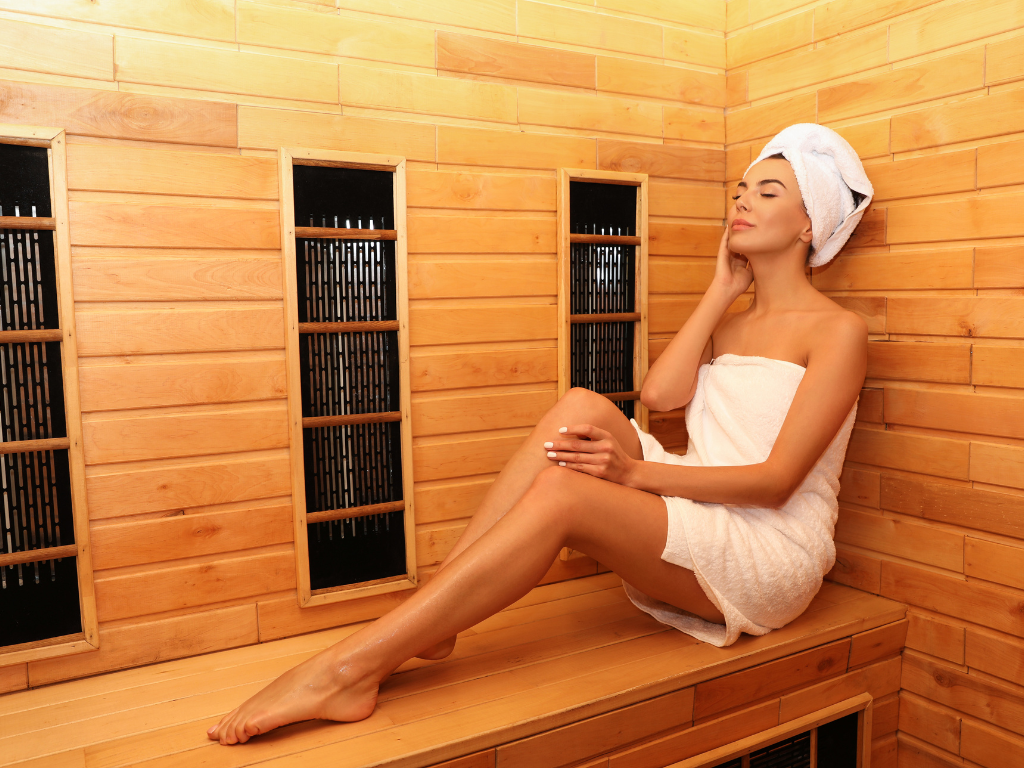
Using an infrared sauna for skin delivers a real, mostly temporary glow, plus a few indirect benefits that marketing tends to inflate into miracles. The dermatology evidence on infrared and skin is genuinely mixed. This blog walks you through what a session actually does for your complexion, what it does not, and who should be careful, grounded in theLife Energy Sauna sessions we run at our Ubi centre.
Is an infrared sauna good for your skin?
An infrared sauna is good for a short-term radiance and some indirect skin benefits, but it is not the collagen-boosting anti-aging treatment the marketing suggests. The honest answer to does infrared sauna help skin is yes for glow and circulation, and not proven for lasting structural change.We separate the plausible from the overclaimed because credibility depends on it. Heat raises blood flow to the skin, which produces the flushed, dewy look people notice immediately. Sweating rinses the surface. Better sleep and lower stress, which regular sessions support, show up in skin over time. Where the story breaks down is the leap from those modest effects to promises of reversed wrinkles and cured acne. Those claims outrun the evidence, and a clinic willing to say so is one you can trust on the rest. The real infrared sauna skin benefits are a brighter, better-circulated complexion and the downstream gains of better rest, not a reversal of aging.
How does an infrared sauna affect the skin?
An infrared sauna affects the skin mainly by increasing cutaneous blood flow and triggering a sweat response. Far-infrared in the 4 to 14 micrometer range warms tissue, widening the small vessels that feed the skin and delivering more oxygen and nutrients to it.That circulatory boost is the engine behind most genuine skin effects. A 2025 study of far-infrared found it produced“a significant enhancement in endothelial function”, the health of the vessel lining that supplies your skin. Sweating, the body’s other response, clears surface debris and sebum from the pore openings, though it does not deep-clean pores the way the marketing implies. The skin you see after a session reflects better blood flow and a light sweat rinse, not a structural transformation. Both effects are real, and both are temporary.
Does an infrared sauna give you a clearer complexion or a glow?
An infrared sauna gives you a genuine post-session glow that lasts hours, not a permanent change in complexion. The flushed radiance comes from dilated blood vessels bringing more blood to the skin surface, which fades as your circulation returns to baseline.The honest framing matters here. The dewy appearance is real and worth enjoying, but it is a temporary vascular effect, not lasting skin remodeling. For infrared sauna for complexion benefits that persist, the mechanism is indirect: regular sessions support better sleep and lower stress, and both reduce the cortisol and inflammation that dull skin over weeks. We tell clients to value the glow for what it is and to build the lasting changes through habits rather than expecting the chamber to rewrite their skin. A Life Energy Sauna session reliably produces that fresh, well-circulated look, which is why people feel they look better immediately even when nothing structural has changed. A session is a boost, not a treatment course.
Does an infrared sauna boost collagen or slow aging?
The evidence that an infrared sauna boosts collagen or slows aging is weak and mixed, so we do not make that claim. Some laboratory studies show infrared raising collagen, while others show heat degrading it, which is not the settled science the wellness market pretends.A 2006 dermatology study found that controlled far-infrared at a low skin temperatureincreased collagen and elastin in dermal fibroblasts across a small group of 20 patients. That is promising, but it used a specific clinical device, not a whole-body sauna. A 2023 review in Photodermatology, Photoimmunology and Photomedicine notes the infrared and skin relationship“has not been as extensively studied” as ultraviolet, and that heat can also trigger collagen-degrading enzymes. The honest position is that a far-infrared sauna is not a proven anti-aging tool, and anyone selling it as one is ahead of the evidence. If lasting wrinkle reduction is your aim, proven options like topical retinoids or in-clinic dermatological treatments do more than any heat cabin, and we would rather tell you that than oversell a session.
Does an infrared sauna help acne and clear pores?
An infrared sauna offers minor, indirect help for acne through sweat and circulation, but it does not clear pores in the deep sense the marketing claims. Sweating flushes the surface of the pore, and better circulation supports skin turnover, but neither dissolves the plugs that drive breakouts.The realistic picture is mixed and worth stating plainly. For some people, the light sweat and improved blood flow leave skin looking clearer. For others, heat and sweat trapped against the skin can aggravate breakouts, a pattern close to acne mechanica, especially in Singapore’s humidity. The deciding factor is what you do after: cleansing promptly to remove sweat and sebum is what turns a session into a benefit rather than a trigger. Pores look temporarily smaller after heat because they are clear of surface oil, not because they have shrunk. For acne-prone skin in particular, a quick rinse and a non-comedogenic moisturiser within minutes of finishing is the difference between a clearer face and a fresh crop of bumps.
Is an infrared sauna the same as red-light therapy for skin?
No, an infrared sauna is not the same as red-light therapy, and conflating them is the most common error in this space. Red-light and near-infrared LED therapy uses specific wavelengths at controlled doses to drive photobiomodulation in skin cells, which has its own cosmetic evidence base.A far-infrared sauna delivers radiant heat across the body to raise temperature and circulation, which is a different mechanism with a different goal. The cosmetic studies people cite for “infrared skin benefits” usually come from targeted red-light or LED devices, not whole-body heat cabins. We make this distinction because borrowing red-light therapy’s evidence to sell sauna sessions is misleading. If your goal is specifically collagen-targeted light therapy, a sauna is the wrong tool, and we would tell you so rather than take the booking.
Can an infrared sauna harm your skin, and who should avoid it?
An infrared sauna can aggravate several skin conditions, so people with rosacea, melasma, or active eczema should be cautious or avoid it. Heat is a well-known rosacea trigger, and it can worsen the hyperpigmentation of melasma, which matters in a sunny, humid climate like Singapore’s.The cautions are specific and worth respecting. Heat dilates facial vessels and can flush and inflame rosacea-prone skin. For melasma, warmth can deepen pigmentation, undoing months of careful management. Active eczema can flare with heat and sweat. Prolonged, repeated heat exposure to one area can also cause a mottled discoloration called erythema ab igne. None of this makes the sauna dangerous for healthy skin, but it does mean a dermatologist’s input comes first if you have a condition. The Life Energy Sauna runs cooler than a traditional sauna, which helps, but cooler is not the same as suitable for reactive skin. We screen for skin issues at intake and will steer you toward gentler options when heat is a poor fit.
How do you use an infrared sauna for skin safely?
To use an infrared sauna for skin safely, hydrate well, keep sessions to 12 to 18 minutes, cleanse promptly afterward, and protect pigment-prone skin. The sweat and circulation only help if you support them rather than letting sweat sit on the skin.Drink water before and after, since the same heat that brings a glow costs you the fluid your skin needs to look plump. Cleanse within a short window of finishing to clear sweat, sebum, and surface debris before they settle back into pores. Follow with a moisturiser to lock in hydration while the skin is receptive. We treat the Life Energy Sauna as one input in a skin routine rather than the routine itself, and our broaderenergy therapy work follows the same realistic standard. Skin health also builds from the inside, which is why our functional nutrition guidance treats diet and hydration as part of the picture, alongside the circulation a session provides. Pair sessions with thewider benefits of regular use and realistic expectations.
Conclusion
An infrared sauna gives your skin a real glow and some honest, indirect support through circulation, sleep, and stress, while the collagen and anti-aging promises run well ahead of the evidence. It suits healthy skin and a sensible routine, and it is a poor fit for rosacea or melasma without a dermatologist’s input. Valued for what it actually does, a session is a worthwhile part of a skin routine rather than a replacement for one.If you want a clear, honest read on whether sessions suit your skin,book an assessment with Mr Tay before you start.
Frequently Asked Questions
How long does the glow from an infrared sauna last?
The post-session glow typically lasts a few hours, fading as your skin circulation returns to baseline. It comes from heat-driven vasodilation bringing blood to the surface, not lasting change. A 12 to 18 minute Life Energy Sauna session produces the effect, and good hydration helps the skin hold a plumper look slightly longer.
How often should I use an infrared sauna for skin benefits?
Two to three sessions a week is a sensible cadence for skin, matching what supports circulation and recovery without overexposing the skin to heat. Daily heat offers no extra skin benefit and raises the risk of irritation for sensitive types. Mr Tay sets frequency individually at GI Life Sciences after an assessment.
Is an infrared sauna safe for sensitive or rosacea-prone skin?
People with rosacea should be cautious, since heat is a recognised trigger that flushes and inflames reactive skin. Sensitive skin can react to heat and sweat too. Get a dermatologist’s view first, and at GI Life Sciences we screen for skin conditions at intake and suggest gentler options when heat is unsuitable.
Should I wash my face after an infrared sauna session?
Yes. Cleanse promptly after a session to remove the sweat, sebum, and debris brought to the surface before they settle back into pores. Following with a moisturiser locks in hydration while skin is receptive. This post-session step is what turns the sweat response into a skin benefit rather than a breakout trigger.