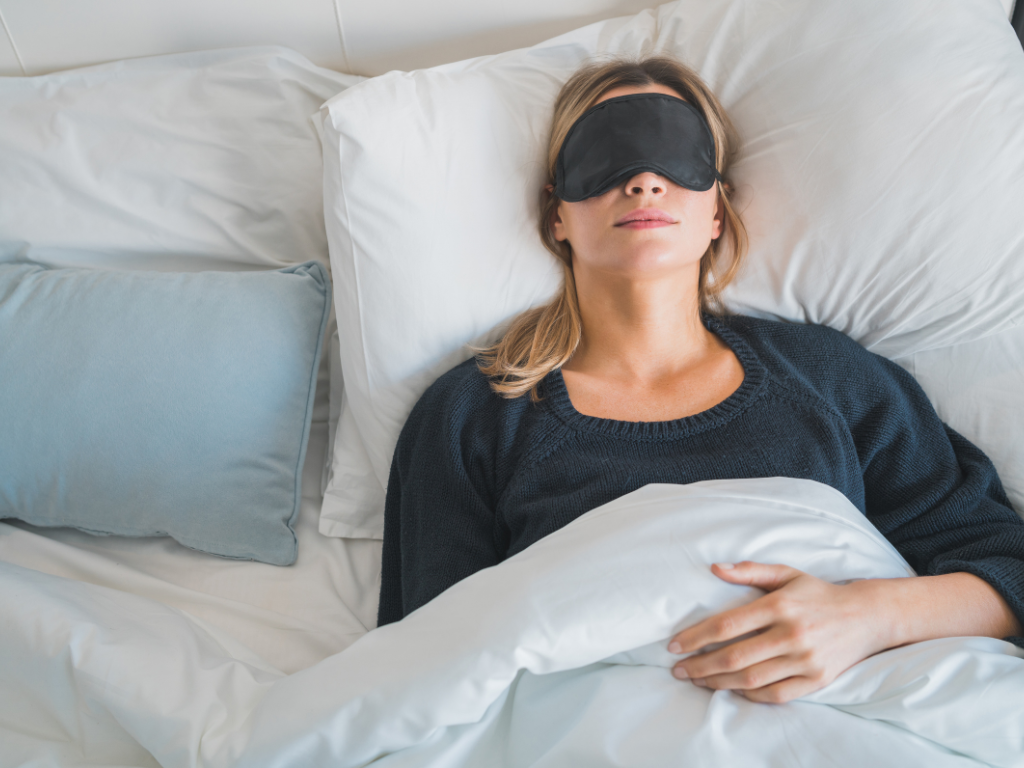
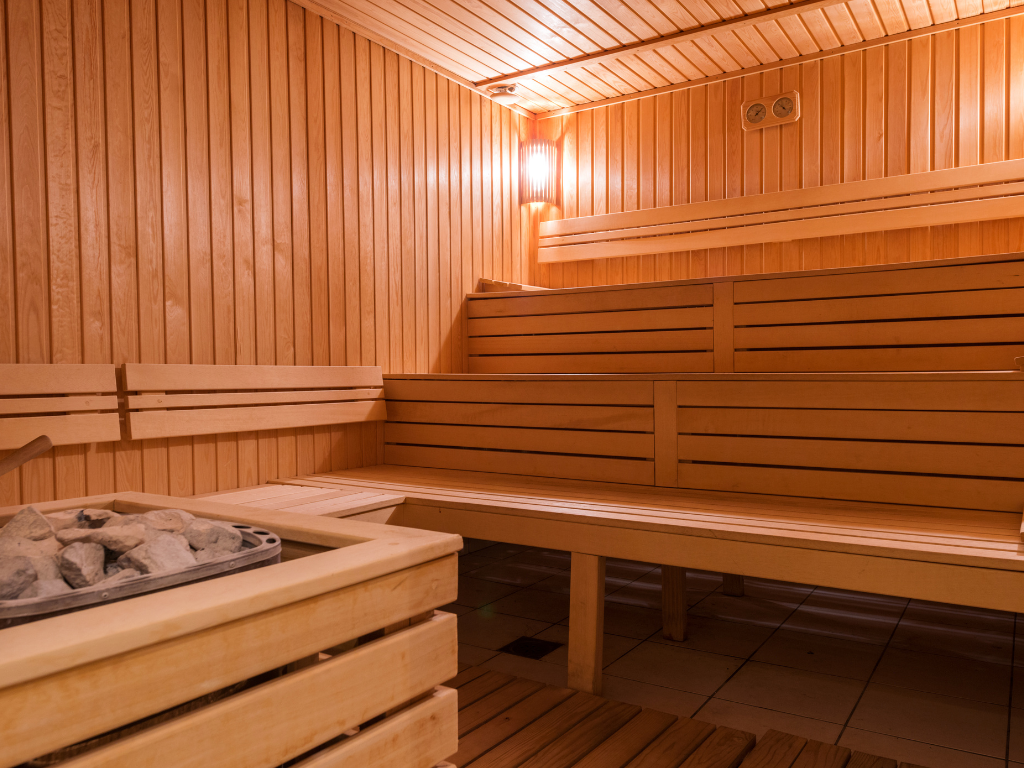
Using an infrared sauna for sleep works through calm, not sedation: the heat shifts your nervous system toward rest and sets up the body-cooling that signals sleep. A 2024 survey found only 44 percent of Singaporeans get the recommended seven hours. This blog walks you through how the heat helps, when to time it, and what to realistically expect, grounded in theLife Energy Sauna sessions at our Ubi centre.
Does an infrared sauna for sleep actually work?
An infrared sauna helps sleep by relaxing the nervous system and triggering the drop in core body temperature that the brain reads as a signal to sleep. The effect is genuine for winding down and falling asleep faster, though it is a support for good sleep rather than a treatment for a sleep disorder.We frame it honestly because the mechanism is specific, not magic. Heat moves your body from a sympathetic, alert state toward a parasympathetic, rest-oriented one. The warming also sets up a rebound cooling afterward, and that cooling is what nudges sleep onset. An infrared sauna for sleep earns its place as part of an evening wind-down, not as a replacement for sleep hygiene or medical care. For the stress-wired, overstimulated end of a Singapore workday, that calming shift is the real value.
How does an infrared sauna improve sleep?
An infrared sauna improves sleep through two linked mechanisms: a parasympathetic shift during the session and a core body temperature drop after it. The heat activates your rest-and-digest system, slowing heart rate and easing muscle tension.The temperature mechanism is the one most people miss. Far-infrared warmth in the 4 to 14 micrometer range raises your core temperature, and when you cool down afterward, that fall in temperature mirrors the body’s natural pre-sleep cooling and speeds sleep onset. The 20 to 30 minute rest phase after a Life Energy Sauna session is where the parasympathetic shift consolidates, which is why we treat the cooldown as part of the protocol rather than an optional extra. Slower breathing, lower muscle tension, and a cooling core are the ingredients of easy sleep, and a session assembles all three.
Does an infrared sauna help you relax and de-stress?
An infrared sauna is genuinely effective for relaxation, which is often the real barrier to sleep. The heat prompts a measurable shift toward parasympathetic dominance, the physiological state behind that heavy-limbed, unwound feeling after a session.Stress keeps the nervous system in a sympathetic, wound-up gear, and that state actively blocks sleep. Using an infrared sauna for relaxation interrupts it, lowering the cortisol-driven tension that builds across a workday. A 2025 review in Frontiers in Cardiovascular Medicine described the body’s response to sauna heat as resembling“moderate to vigorous aerobic exercise”, which carries the same post-exertion calm without the physical strain. For office workers whose stress lives in their shoulders and jaw, the muscular release alone changes how the evening feels. Relaxation is not a soft benefit here; it is the mechanism.
When should you use an infrared sauna before bed?
Use an infrared sauna about 1.5 to 2 hours before bed, not immediately before, so the post-session cooling aligns with your natural sleep onset. Timing is the detail that decides whether the session helps or backfires.The science is clear on this. A session right before bed leaves your core temperature still raised, which is alerting rather than sedating. Allowing 90 minutes or so lets the rebound cooling take effect exactly when you want to fall asleep. Scheduling an infrared sauna before bed with that buffer is the single most useful adjustment we recommend, and it is the step most home users get wrong. Pair the timing with a wind-down routine, dimmed lights and no screens, and thewellness and health coaching principles we use with clients apply directly. The heat does its job best when the schedule respects the body’s clock.
Does an infrared sauna actually improve sleep quality?
The evidence for heat improving sleep quality is strong, though most of it comes from warm baths rather than saunas specifically. A 2019 systematic review found that passive body heating one to two hours before bedshortened sleep onset latency by around 36 percent and improved sleep efficiency.That research used warm water immersion, describing it as “often recommended as a simple means of improving sleep,” and the warming-then-cooling mechanism is the same one the Life Energy Sauna drives. The honest caveat is that dedicated trials on infrared saunas and sleep are fewer than the bath studies, so we lean on shared physiology rather than sauna-specific proof. The same wind-down logic runs through thesleep quality habits we encourage alongside sessions. The link between an infrared sauna and sleep quality is mechanistically sound and widely reported by users, while the formal sauna trial base is still growing. We describe it as well-founded and promising, not as clinically proven for sleep the way it is for circulation.
How long should a session be for better sleep?
A 12 to 18 minute Life Energy Sauna session followed by a 20 to 30 minute rest phase is the right length for a sleep benefit. Longer does not deepen the effect and can leave you overheated and dehydrated, which works against rest.The rest phase carries as much weight as the heat for sleep purposes. That cooldown is when heart rate settles and the parasympathetic shift takes hold, so cutting it short wastes the session’s calming potential. Hydration matters too, since dehydration raises heart rate and undermines the wind-down. Two to three evening sessions a week is a sustainable rhythm for most people building a sleep routine, and the benefits ofregular, consistent use compound more than occasional long sits. Moderate and well-timed beats long and late every time.
Is an infrared sauna better than a hot bath for sleep?
An infrared sauna and a hot bath work through the same sleep mechanism, so neither is dramatically better, but the sauna suits people who find baths impractical. Both raise core temperature to trigger the cooling that speeds sleep onset.The bath research is actually the stronger evidence base, since that is what most sleep studies used. Where a far-infrared session has an edge is comfort and consistency: it warms you at a gentler ambient temperature than a hot soak, and a supervised session builds a reliable routine rather than a rushed bath at the end of a long day. For small Singapore flats without a bathtub, the practical choice often makes itself. The mechanism is shared, so the honest answer is that both work, and the better one is whichever you will do consistently.
Why does sleep matter so much in Singapore?
Sleep is a genuine public-health gap in Singapore, which makes a reliable wind-down tool more valuable here than in many places. A study of a Singapore working population found poor sleep quality in42.5 percent of participants and short sleep in 66.2 percent, among the highest rates recorded.Long hours, screen habits, and an always-on work culture keep the nervous system in a stressed, sympathetic state late into the night. Air-conditioned, sedentary days add to the tension that people carry to bed. An evening Life Energy Sauna session offers a structured pause that shifts the body toward rest, which is exactly the intervention an overstimulated schedule needs. We frame it as one supportive habit inside good sleep hygiene, not a fix for the deeper causes, because the honest positioning is what makes it useful rather than another overhyped promise.
Can an infrared sauna help insomnia, or should you see a doctor?
An infrared sauna can support the relaxation side of mild sleep trouble, but it is not a treatment for clinical insomnia or a diagnosed sleep disorder. Persistent insomnia has causes a sauna cannot address, and it needs proper assessment.See a doctor if you regularly struggle to fall or stay asleep for weeks, wake unrefreshed despite enough time in bed, or suspect a condition like sleep apnoea. Heat helps a busy mind wind down; it does not fix an underlying disorder, and we say so plainly. For anyone with a heart condition or who is pregnant, evening heat carries the same cautions as any session, so medical clearance comes first. Mr Tay screens for these at intake and will point you toward the right care rather than treat beyond our scope. Honest limits are part of the service.
Conclusion
An infrared sauna supports sleep through real physiology: a parasympathetic shift that calms the nervous system and a core temperature drop that speeds sleep onset when timed 1.5 to 2 hours before bed. The evidence is strong for passive heating generally and promising for saunas specifically, and the effect is a genuine wind-down aid rather than a cure for insomnia. For a sleep-deprived, stressed working life, that reliable evening calm is worth building into a routine.If restless evenings or a wired nervous system are wearing you down,book a session with Mr Tay and build it into a proper wind-down.
Frequently Asked Questions
Can I use an infrared sauna right before bed?
It is better to finish about 1.5 to 2 hours before bed. A session immediately beforehand leaves your core temperature raised, which is alerting rather than sedating. The sleep benefit comes from the cooling that follows, so a 90 minute buffer lets that drop align with sleep onset. Mr Tay advises this timing at GI Life Sciences.
Should I use an infrared sauna for sleep every night?
Nightly use is not necessary. Two to three evening sessions a week of 12 to 18 minutes is a sustainable rhythm that supports relaxation and sleep without overexposure to heat. Consistency matters more than frequency. At GI Life Sciences, Mr Tay sets a cadence around your routine rather than prescribing a fixed nightly schedule.
Does an infrared sauna help if I drink coffee or alcohol in the evening?
A session helps you wind down, but caffeine and alcohol work against it. Caffeine blocks the sleep signal for hours, and alcohol fragments sleep later in the night. The Life Energy Sauna supports the parasympathetic shift, though no session offsets a late espresso. Cutting evening stimulants matters as much as the heat.
Who should avoid an evening infrared sauna session?
People who are pregnant, have an unstable heart condition, or are dehydrated should avoid evening sessions or get medical clearance first, since heat carries cardiovascular cautions. Anyone prone to feeling energised by heat should schedule earlier. At GI Life Sciences, Tay Swee How screens for these factors before recommending an evening far-infrared session.