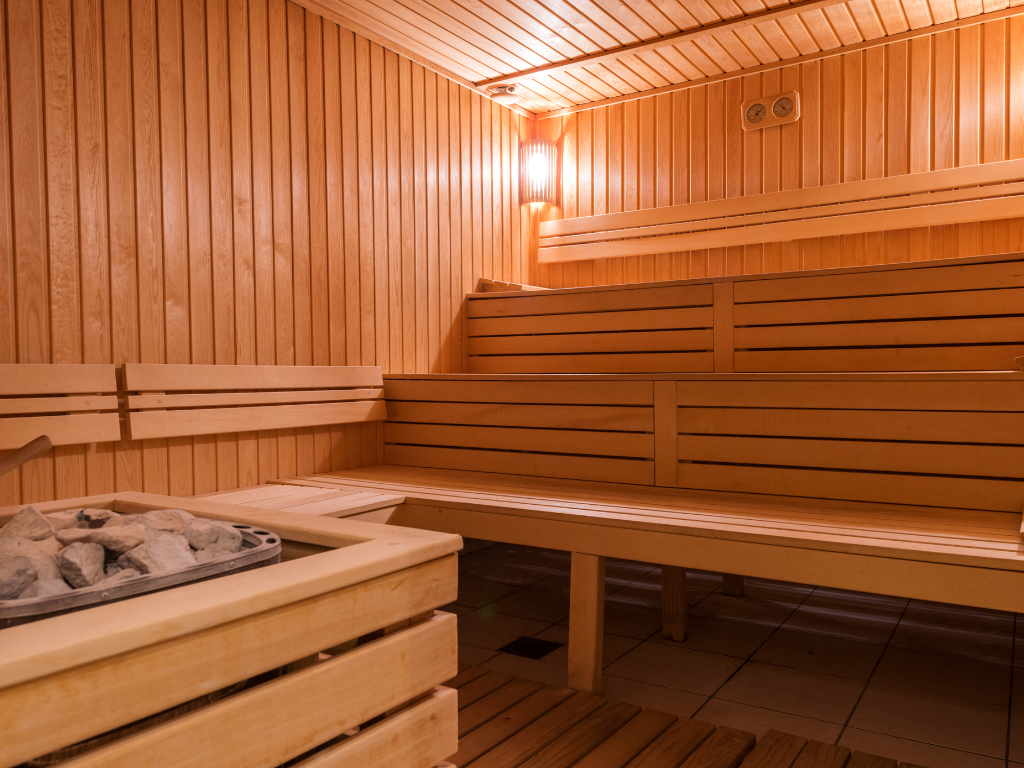
Most infrared sauna side effects are mild and preventable, but the topic deserves an honest answer rather than reassurance. A 2018 systematic review found regular sauna use well-tolerated, with only minor and infrequent adverse effects. This blog walks you through what can go wrong, who should avoid it, and when to check with a doctor, grounded in how we run theLife Energy Sauna at our Ubi centre.
Is an infrared sauna safe?
An infrared sauna is safe for most healthy adults when used sensibly, with hydration and reasonable session limits. A 2018 systematic review of regular sauna bathing in Evidence-Based Complementary and Alternative Medicine found it“well-tolerated in the clinical setting with only minor and infrequent adverse effects”.The Life Energy Sauna runs cooler than a traditional sauna, at roughly 45 to 60 degrees Celsius against the 80 to 90 degrees of a Finnish sauna, so the heat stress is gentler. That lower thermal load matters for tolerance, but it does not erase the cautions. The same contraindication logic applies to both, because the body still responds with vasodilation, a faster heart rate, and fluid loss. Safe for most does not mean safe for all, and the honest version of this topic names the exceptions clearly rather than burying them under a wellness pitch.
What are the main infrared sauna side effects?
The most common infrared sauna side effects are dehydration, lightheadedness, and a transient drop in blood pressure, all driven by heat and fluid loss. A Life Energy Sauna session costs you several hundred millilitres of fluid, and that loss alone explains most of what people feel afterwards.Dizziness and lightheadedness come from vasodilation lowering blood pressure, especially when you stand up quickly after a session. Overheating is the next risk, with early signs of nausea, headache, or a racing heart. Electrolyte loss from heavy sweating can cause muscle cramps if you sweat often without replacing sodium and potassium. None of these are exotic. They are the predictable results of heat plus inadequate hydration, which is why a 20 to 30 minute rest phase and water before and after prevent the majority of them. Worth noting: most reported side effects trace back to people skipping fluids or staying in too long, not to the technology.
Who should not use an infrared sauna?
Some people should avoid an infrared sauna entirely, while others need a doctor’s clearance first. Pregnant women, anyone with an unstable heart condition, and people with a recent cardiac event fall in the avoid-without-clearance group.The clearest cases of who should not use an infrared sauna without medical sign-off are pregnancy, uncontrolled high or low blood pressure, unstable cardiac conditions, and acute illness with fever. Children and frail elderly people regulate temperature less reliably and need closer supervision or avoidance. Anyone with a condition that blunts heat perception, such as peripheral neuropathy or multiple sclerosis, faces a higher burn and overheating risk because the body’s warning signals are dulled. This is not a list to skim past. A responsible provider screens for every item on it before a first session, and we decline bookings when caution demands it.
What are the cardiovascular contraindications?
The established infrared sauna contraindications on the cardiovascular side are unstable angina, a recent heart attack, and severe aortic stenosis. These are absolute, meaning the heat is not appropriate until a cardiologist says otherwise, because vasodilation and a raised heart rate place demands an unstable heart cannot safely meet.A sauna session loads the cardiovascular system in a way a 2025 review in Frontiers in Cardiovascular Medicine described as resembling“moderate to vigorous aerobic exercise”. That is beneficial for a healthy heart and dangerous for an unstable one. Decompensated heart failure and uncontrolled arrhythmia are relative contraindications that need medical guidance. Stable, well-managed heart conditions are often fine with clearance, since the research shows most people with stable coronary disease tolerate heat well. This matters locally, because the MOH 2024 survey found roughlyone in three Singapore residents live with raised blood pressure or cholesterol, which makes the screening step a real safeguard rather than a formality. Alcohol before or during a session is its own hazard, raising the risk of hypotension and arrhythmia, and should never be combined with heat.
Is an infrared sauna safe during pregnancy?
Pregnant women should avoid infrared saunas unless their doctor explicitly approves, particularly in the first trimester. Raising core body temperature above 39 degrees Celsius in early pregnancy is associated with elevated risk to fetal development, and a sauna’s whole purpose is to raise core temperature.The cautious position is the correct one here. Even though infrared runs cooler than a traditional sauna, the goal of the session is still a meaningful rise in body temperature, which is exactly what obstetric guidance advises pregnant women to avoid in the first trimester. We do not run sessions for pregnant clients without written medical clearance, and we will recommend gentler alternatives instead. When the stakes involve fetal development, hedging would be irresponsible, so our answer is to wait and ask the doctor.
Can an infrared sauna interact with medications?
Yes, several common medications change how safely your body handles sauna heat. Diuretics and blood pressure medications can deepen the drop in blood pressure and the risk of dehydration, leaving you faint.Beta-blockers blunt the heart-rate response, which alters how your body compensates for the heat. Anticholinergic drugs and some antihistamines reduce sweating, which undermines your main cooling mechanism and raises the overheating risk. Stimulants and certain psychiatric medications affect thermoregulation and heart rate too. None of this means you cannot use an infrared sauna on medication, but it means the conversation belongs with your doctor and your practitioner before booking. We ask about medications at intake for exactly this reason, because the interaction between a drug and the heat is invisible until it causes a problem.
How long is safe, and can you overdo it?
A Life Energy Sauna session should run 12 to 18 minutes of in-chamber time, followed by a 20 to 30 minute rest phase, and longer is where trouble starts. Pushing past sensible limits is the most common self-inflicted cause of side effects.Marathon sessions raise the risk of dehydration, overheating, and fainting without adding benefit, which is why we treat duration as a safety boundary, not a measure of toughness. Signs you have had enough include dizziness, nausea, a pounding heart, or feeling unwell, and the correct response is to stop immediately. Hydration sets the ceiling: arriving already low on fluid, common in Singapore’s humidity, shortens how long your body copes. The benefits ofregular, well-paced sessions come from consistency, not endurance, and the rest phase is part of the protocol rather than an afterthought.
What red-flag symptoms mean you should stop and see a doctor?
Stop the session immediately and seek medical help for chest pain, severe dizziness or fainting, an irregular or pounding heartbeat, confusion, or persistent nausea and vomiting. These are not normal responses to heat, and they signal that your body is not coping.Chest pain or palpitations during heat exposure warrant urgent assessment, since the cardiovascular load is real. Confusion, a lack of sweating despite the heat, or a body temperature that keeps climbing point toward heat exhaustion tipping into heat stroke, which is a medical emergency. Fainting after standing is usually a blood pressure drop, and while often brief, repeated episodes need investigation. We brief clients on these signals before their firstenergy therapy session, because knowing when to stop is as important as knowing how to start. When in doubt, leave the chamber and ask a doctor.
How does practitioner supervision reduce the risks?
Practitioner supervision turns most of these risks into manageable ones by catching them before they start. A trained practitioner screens for contraindications, sets an appropriate duration, monitors how you respond, and intervenes if something looks wrong, none of which a self-serve home unit offers.At our Ubi centre, sessions sit under the oversight of Tay Swee How, who holds a TCMPB practising certificate and starts every client with an assessment rather than a timer. That intake catches the heart conditions, medications, and pregnancy status that decide whether a Life Energy Sauna session is safe for you. Supervision is also why a session can connect to a broaderpersonalised assessment instead of standing alone. A sauna run by someone trained to read your response is a fundamentally safer product than a box you sit in unsupervised, and for anyone with a health condition, that difference is the whole point.
Conclusion
An infrared sauna is safe for most healthy adults and genuinely risky for a specific few. The common side effects, dehydration and dizziness, are preventable with hydration and sensible limits. The serious cautions, unstable heart conditions, pregnancy, and certain medications, are non-negotiable and call for a doctor’s input first. An honest provider tells you who should not be in the chamber, screens before your first session, and treats the rest phase as part of the safety protocol.If you want to know whether an infrared sauna suits your health situation,book an assessment with Mr Tay before your first session.
Frequently Asked Questions
Can children or elderly people use an infrared sauna safely?
Children and frail elderly people need caution or avoidance, because both regulate body temperature less reliably than healthy adults. Elderly people prone to a blood pressure drop can faint after a session. At GI Life Sciences, Mr Tay assesses suitability individually rather than applying a blanket rule, and supervises closely where heat tolerance is a concern.
Is it safe to use an infrared sauna every day?
For healthy adults, daily 12 to 18 minute sessions are generally tolerated, provided you hydrate well and watch for signs of overheating. Most people see benefit from two to four sessions a week. The 2018 systematic review found regular sauna use well-tolerated, but daily use raises the importance of replacing fluids and electrolytes.
What should I do if I feel dizzy during an infrared sauna session?
Leave the chamber immediately, sit or lie down, and rehydrate with water and electrolytes. Dizziness usually signals a blood pressure drop or early dehydration. Cool down gradually rather than standing up fast, which worsens the drop. At GI Life Sciences, our team monitors for this and ends sessions early when needed.
Are first-time users more likely to get side effects?
First-timers are more likely to misjudge their heat tolerance and stay in too long, which is why a supervised first session matters. Starting at the shorter end of the 12 to 18 minute range lets you gauge your response. Mr Tay sets a conservative first session and adjusts from there based on how you handle the heat.