

Most people associate movement with structured exercise, but its role in daily health goes well beyond the gym. Regular, intentional movement is one of the most accessible tools available for supporting circulation, reducing physical discomfort, and maintaining overall vitality as part of a holistic wellness lifestyle. Within an integrated health and wellness coaching approach, movement is rarely treated in isolation but sits alongside the other lifestyle factors that shape long-term wellbeing.
Movement is not limited to scheduled workout sessions. Every time you stand, stretch, or walk to a different room, you are supporting your body’s essential functions, from circulation to lymphatic flow to joint lubrication.
Prolonged inactivity has been linked to reduced circulation, increased muscular tension, and lower energy levels throughout the day. Over time, a sedentary lifestyle can contribute to a range of physical imbalances that affect comfort, mood, and overall function.
When you move, your heart pumps more efficiently and blood carries oxygen more effectively to your muscles and organs. This improved delivery supports cellular function and helps the body maintain the energy levels needed for daily tasks.
Unlike the cardiovascular system, the lymphatic system has no pump of its own and relies on physical movement to circulate lymph fluid. Regular movement helps the lymphatic system clear metabolic waste and supports the body’s natural defence mechanisms.
Sitting or remaining in one position for extended periods causes muscles to tighten and joints to become less mobile. Gentle, consistent movement throughout the day releases this tension and helps maintain a greater range of physical comfort.
Targeted movement, particularly stretching and mobility work, helps counteract the postural imbalances that develop from prolonged sitting. Over time, these small adjustments contribute to better alignment and reduced strain on the spine and joints.
Movement activates metabolic processes that convert nutrients into usable energy. Even low-intensity activity, such as a short walk after a meal, can support healthy glucose regulation and help sustain consistent energy levels across the day.
Physical movement increases blood flow to the brain, which supports focus, memory, and mood. Many individuals find that a brief bout of movement during a long workday helps them return to tasks with greater clarity and reduced mental fatigue.
Micro-movements are short, intentional physical actions taken throughout the day, such as rolling your shoulders, stretching your hip flexors, or standing and reaching. These brief interruptions to sedentary behaviour accumulate meaningful benefits over time.
Walking remains one of the most effective and accessible forms of daily movement. It requires no equipment, suits most fitness levels, and supports cardiovascular health, joint mobility, and mental wellbeing simultaneously.
For those with office-based roles, simple desk stretches, standing breaks every 45 to 60 minutes, and seated spinal rotations can make a meaningful difference to comfort and energy across the working day.
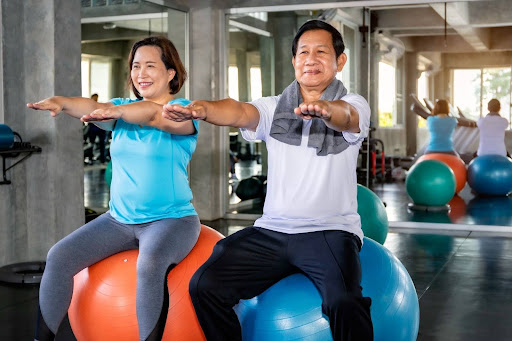
Not all movement needs to be vigorous to be beneficial. Low-intensity activities such as walking, tai chi, or gentle yoga are well-suited to individuals managing fatigue, joint discomfort, or chronic stress. Higher-intensity movement has its place, but it should be matched to the individual’s current capacity rather than applied universally.
The body provides reliable feedback when movement is either insufficient or excessive. Persistent stiffness after rest, low energy in the afternoon, or recurring muscular discomfort are all signals worth paying attention to rather than pushing through. A personalised approach to movement considers these cues as meaningful data points.
At GI Innovation, movement is considered within the broader context of each individual’s health profile. During health coaching sessions, lifestyle factors including daily activity levels, occupational demands, and physical comfort concerns are assessed to identify practical recommendations that fit naturally into existing routines.
Movement does not exist in isolation. At GI Innovation, it is considered alongside nutritional support, Traditional Chinese Medicine, and energy therapy to form a coherent, integrated plan. This holistic wellness approach ensures that physical activity recommendations complement, rather than conflict with, the other aspects of a client’s care.
Movement is not a luxury reserved for those with extra time or high fitness levels. It is a foundational element of physical comfort, circulatory health, and sustained daily energy, and it is available to everyone regardless of age or ability.
If you are ready to explore a structured, personalised approach to holistic wellness that includes movement guidance alongside TCM, health coaching, and nutritional support, GI Innovation is here to support your journey. Get in touch with our team to begin.
General health guidelines recommend at least 150 minutes of moderate-intensity movement per week, spread across most days. However, even breaking up sedentary time with short walks or stretches every hour can deliver meaningful benefits, particularly for those with desk-based roles.
For many individuals, consistent walking is a highly effective form of daily movement. It supports cardiovascular function, joint mobility, lymphatic circulation, and mental wellbeing. The key is regularity rather than intensity, so a daily 20 to 30-minute walk can be a valuable foundation for overall health.
Prolonged sitting is associated with reduced circulation, increased muscular tension, poor posture, and lower metabolic activity. Over extended periods, it may also contribute to fatigue and mood changes. Taking regular movement breaks throughout the day is one of the most effective ways to reduce these risks.
Practical strategies include setting a reminder to stand or stretch every 45 to 60 minutes, taking calls standing or walking when possible, performing simple desk stretches, and scheduling a short walk during lunch. Small, consistent habits are generally more sustainable than infrequent intensive sessions.
Low-impact activities such as walking, swimming, tai chi, or gentle yoga are well-suited to beginners. These forms of movement are accessible, easy to adjust in intensity, and carry a low risk of injury. A personalised wellness consultation can help identify the most appropriate starting point based on your individual health profile and goals.